Widest the lens allows
Faster glass (f/1.4–f/2.8) pulls in more starlight per second, which means shorter exposures and less star trailing on a stationary tripod.
A friendly journey into the night skies — long exposures of the Milky Way, stacked Nebulas and Galaxies, and the patience it takes to catch all that is right above us.
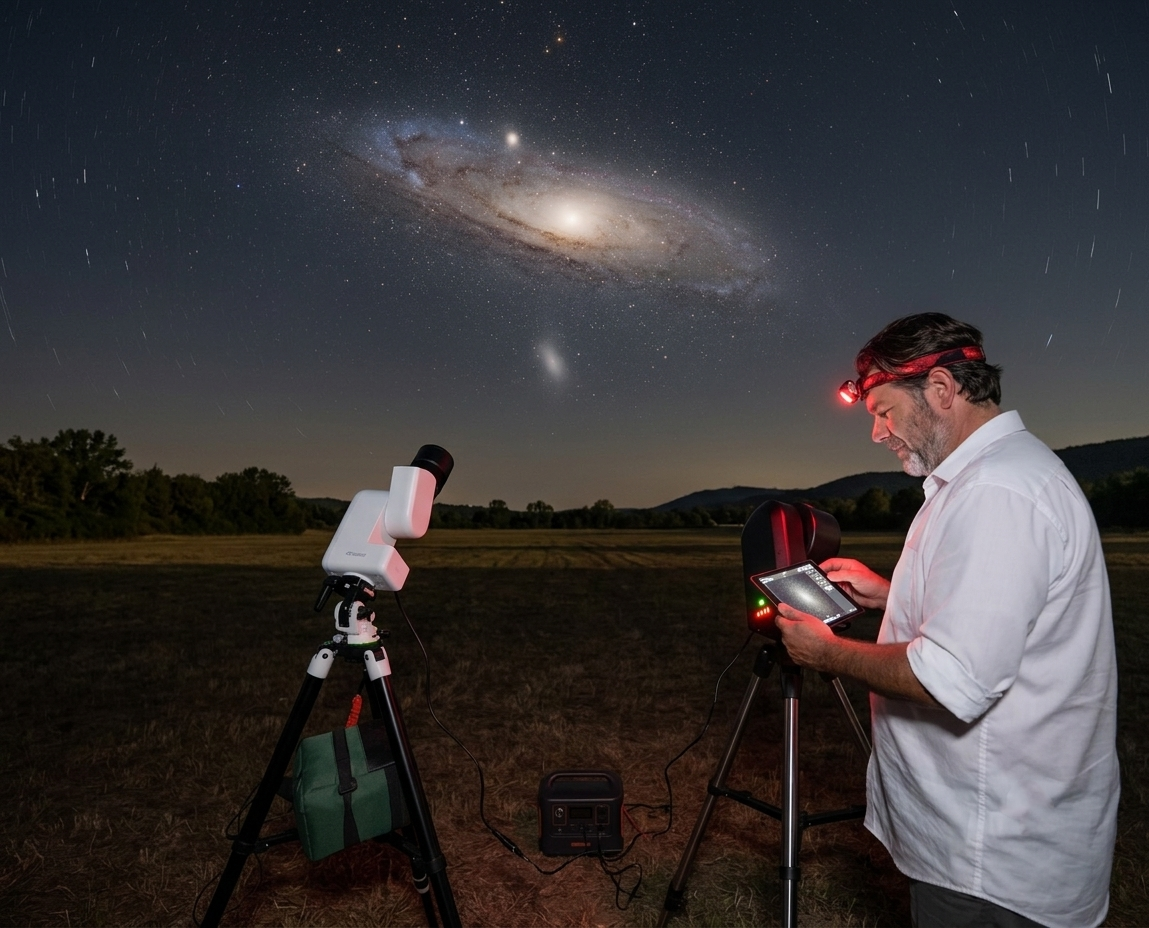
NotAllWhoWander is a website dedicated to one of my many hobbies, Astrophotography. I've been interested in Photography ever since I was a little kid. I sold Christmas cards, and wrapping paper door to door to earn enough points to buy me my first ever camera a Kodak Ektra 110. From there my picture journey began. Now with the full digital age I use both a traditional DSLR (Nikon D850), as well as a Mirrorless Digital Camera (Nikon z7ii). I've also attached my DSLR to an astrophotography rig and used it for some lunar and galaxy pictures, but what really changed the game for me was when ZWO released the Seestar S50 all in one smart telescope. The portability, ease of setup, ease of use, and entry level price point, for the Seestar telescopes are revolutionary. While I'm partial to ZWO equipment I know there are many other smart telescopes on the market today. Today I use 3 Seestars to do my astrophotography work load, a Seestar S50, an S30, and an S30 Pro.
This site is a record of my hobby: countless nights under the Milky Way, star trails traced over a whole night, and the patient, occasionally frozen, pursuit of a picture worthy of the effort. Every photograph here started with an idea before it ended with a shutter.
Astrophotography rewards preparation more than gear. These are the fundamentals that shape almost every shot on this site — the settings, the timing, and the small decisions that separate a photo of the sky from a photo of noise.
Faster glass (f/1.4–f/2.8) pulls in more starlight per second, which means shorter exposures and less star trailing on a stationary tripod.
Divide 500 by your focal length for a rough max shutter speed before stars start to streak — a starting point to break once a tracker is involved.
ISO 1600–3200 is usually the sweet spot: enough sensitivity to reveal the Milky Way without drowning the frame in noise.
Autofocus struggles in the dark. Zoom in on a bright star in live view and fine-tune manual focus until the point is as tight as it gets.
Every ridge shot here was scouted in daylight first — checking sightlines, footing, and how the horizon would frame the galactic core after dark.
Star trails and low-noise nightscapes are built from dozens of exposures, aligned and blended rather than captured in a single shutter click.
ZWO (My preference), Celestron, Vaonis, and Unistellar all make excellent entry level smart scopes .
New moon, clear forecast, no wind. Those three conditions rarely line up at once — when they do, it’s worth changing plans and setting up the tripod or telescope and capture some night sky.
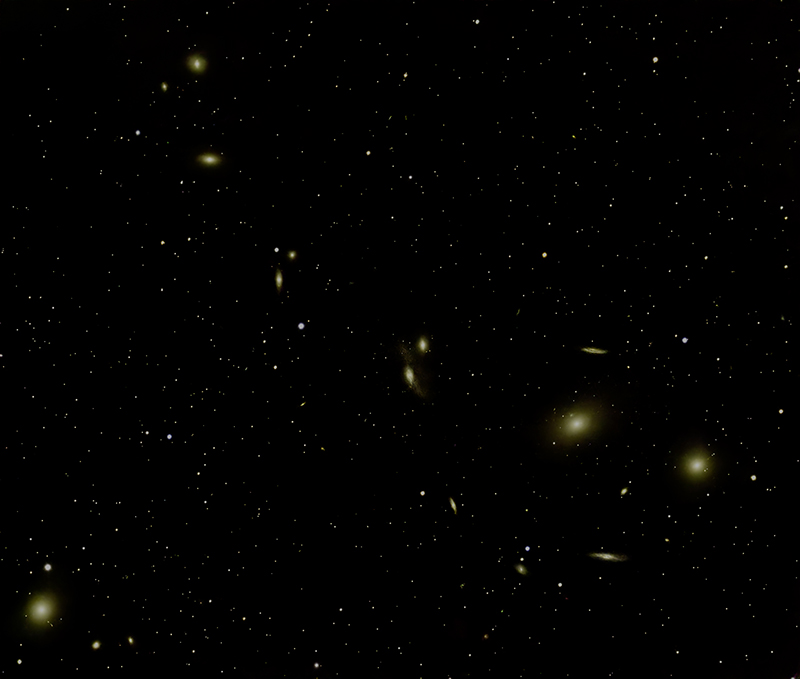
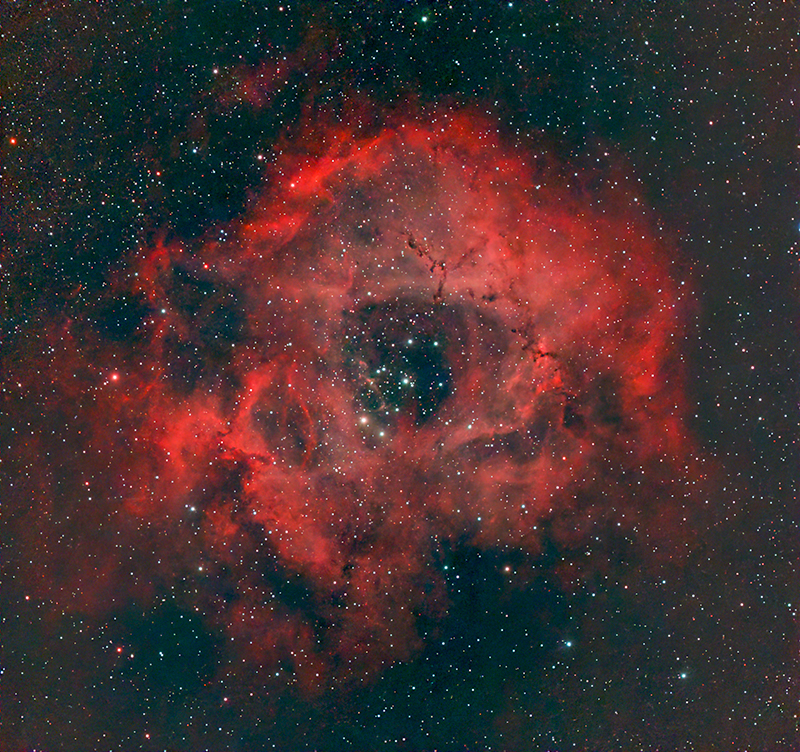
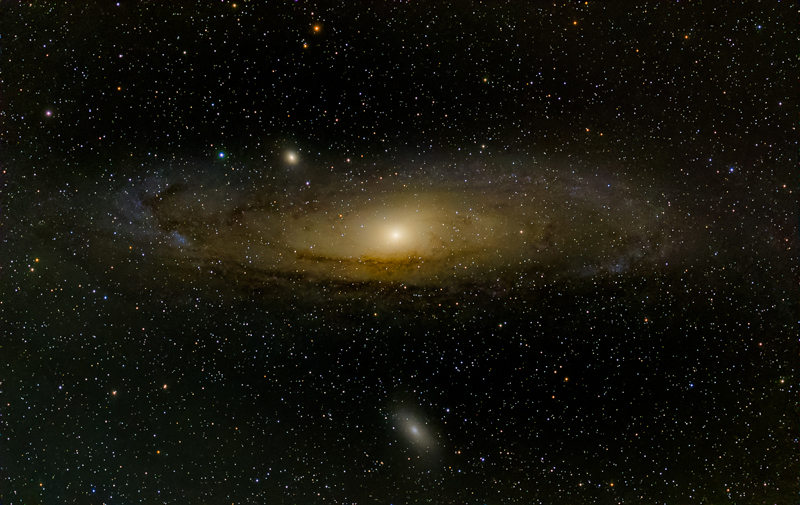
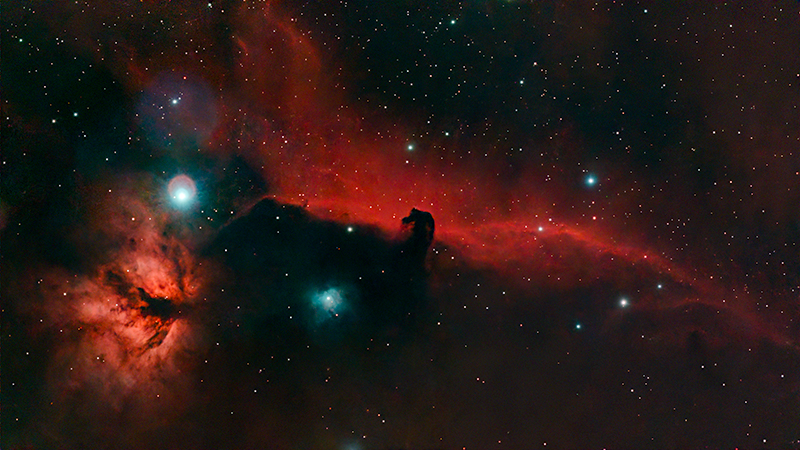
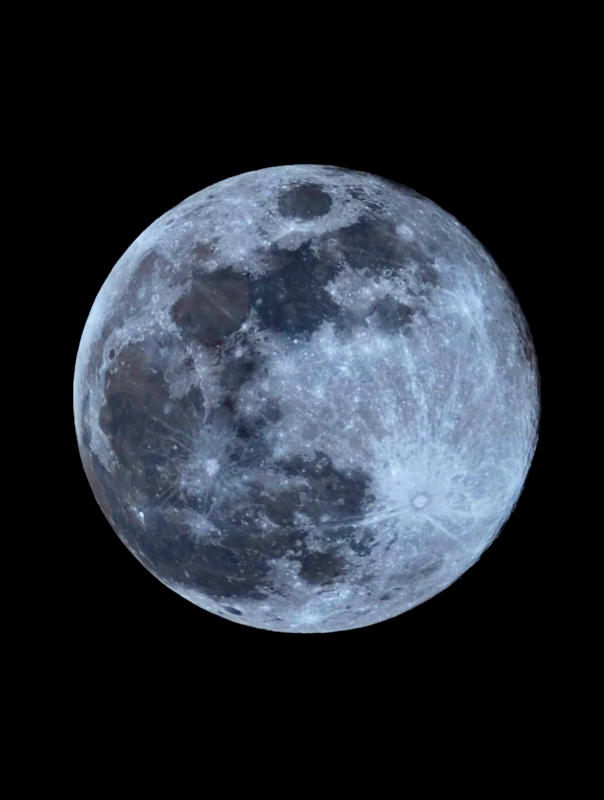
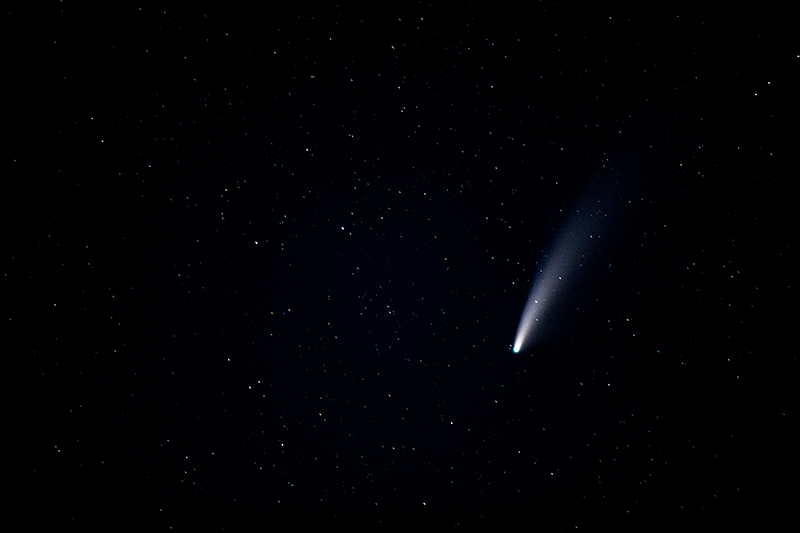
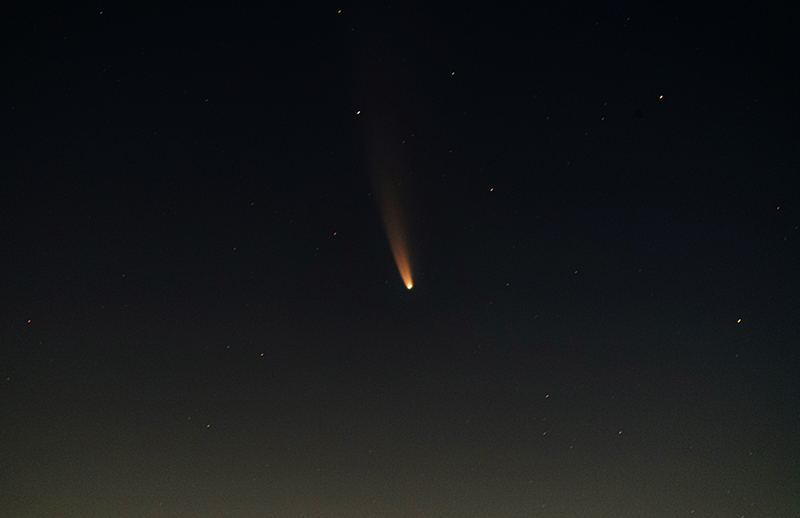
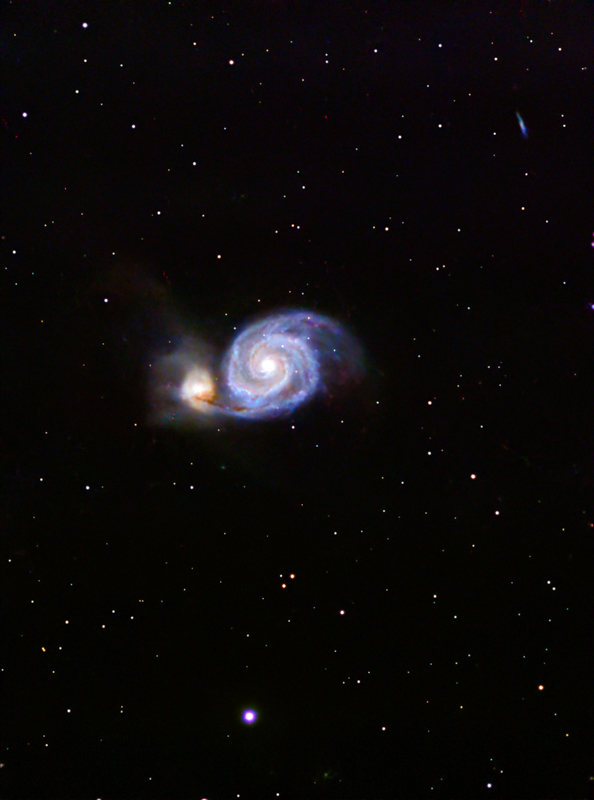
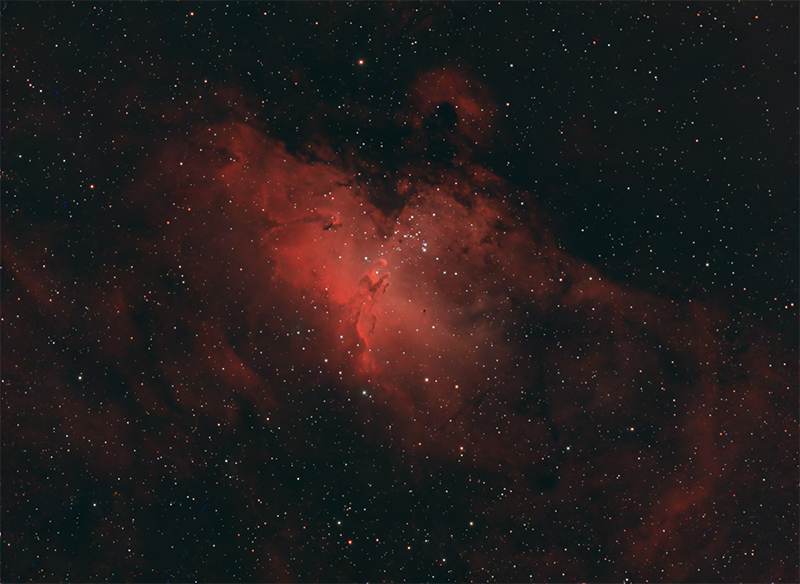
Here is some of my Astrophotography work, from both a tripod and a smart telescope. Thumbnails below open a larger, full-resolution view. Click, tap, or press Enter on any image — use the arrows or your keyboard’s left / right keys to move between frames.